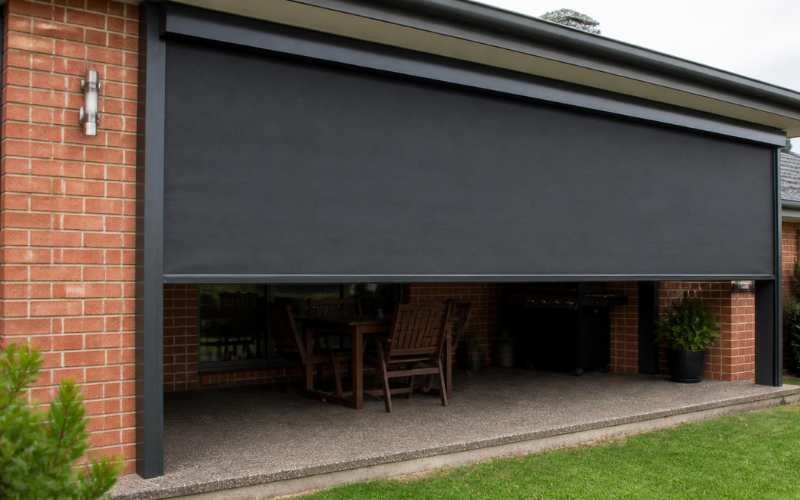

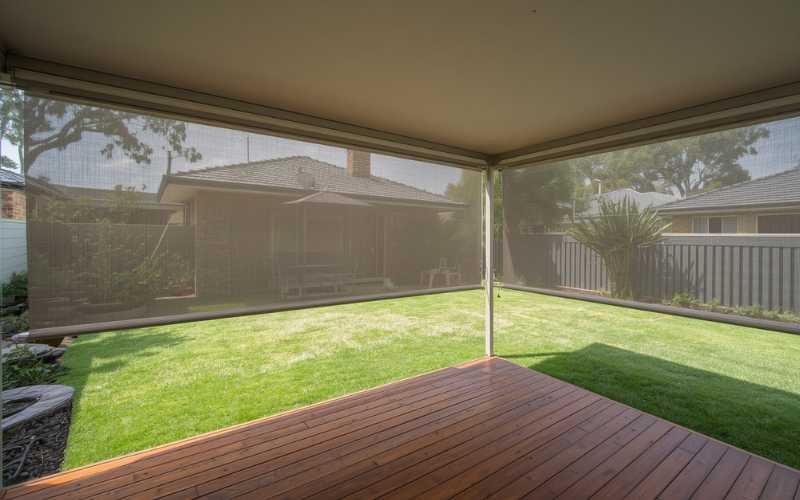
Outdoor blinds roll unevenly because of one or more of these issues: unbalanced spring tension, a misaligned roller tube, fabric rolled on crooked, worn side guides, or debris caught in the track.
Each cause has a specific fix and most don’t require a full replacement.
There’s nothing more frustrating than pulling down your verandah blinds and watching one side sag lower than the other. It looks messy, lets in wind and light where you don’t want it, and if left too long, that uneven tension causes real damage to the fabric and mechanism.
At OZ Roller, we’ve installed and serviced verandah blinds across Melbourne and beyond for years. Uneven rolling is one of the most common problems our customers call us about. Here’s how to diagnose what’s causing it and exactly how to fix it.
Why Outdoor Blinds Roll Unevenly: The Root Causes
Uneven rolling rarely happens randomly. There’s almost always a specific reason and once you identify it, the fix becomes straightforward.
1. Unbalanced Spring Tension
Most outdoor blinds use a spring-loaded roller mechanism to retract the fabric. Over time, that spring can lose tension on one side, or it may never have been set correctly during installation.
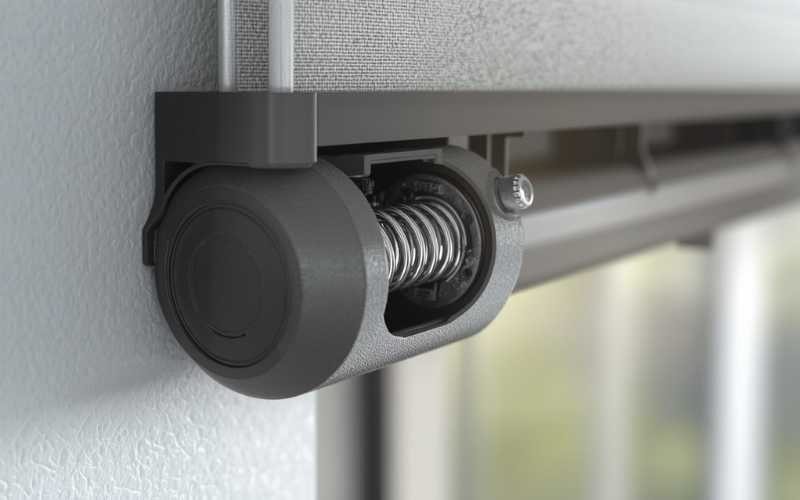
When the tension is unbalanced, the blind doesn’t pull back at the same rate across its full width. One edge rises faster than the other, creating that telltale diagonal droop.
This is particularly common in older blinds or blinds that are used frequently throughout the day.
2. Misaligned Roller Tube
The roller tube is the horizontal bar the fabric wraps around. If it’s even slightly off-level — whether due to poor installation, wall movement, or wear — the blind will roll unevenly every single time.
In Melbourne, where homes experience significant temperature fluctuations across seasons, brackets can expand, contract, and gradually shift out of position. What was level at installation may not stay that way years later.
3. Fabric Rolled on Crooked
Sometimes the issue starts at the source: the fabric itself was not rolled onto the tube evenly when the blind was first made or re-installed.
If the fabric is even a few millimetres off-centre on the tube, that small error compounds with every rotation. After a metre of travel, you can end up with a visible skew.
4. Damaged or Worn Side Guides
Side guides (also called side channels or tracks) keep the fabric edges aligned as the blind travels up and down. When these guides are bent, dirty, or worn, the fabric can wander — particularly on one side.
This is more common with zip-track-style verandah blinds in Melbourne, where the zip runs inside a fixed channel. If that channel is even slightly warped, the zip will catch and drag unevenly.
5. Fabric Shrinkage or Stretch
Outdoor blind fabrics are exposed to harsh UV radiation, rain, and extreme heat. Over time, some fabrics can shrink or stretch — and not always uniformly across the full width.
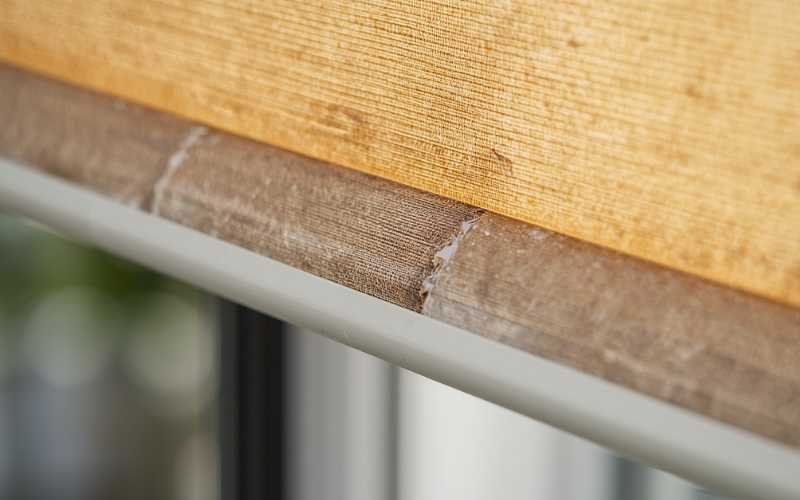
If one edge of your blind fabric has contracted more than the other (which can happen if one side receives more direct sun), the fabric will naturally pull tighter on that side, causing uneven rolling.
6. Obstruction or Debris in the Track
A surprisingly common culprit: something is lodged in the track or guide channel. Leaves, dirt, spider webs, or even a small stone can create enough drag on one side to throw the rolling balance off entirely.
This is worth checking first before assuming there’s a mechanical issue — it’s a quick fix if that’s all it is.
How to Diagnose the Problem
Before you start adjusting anything, take a few minutes to observe and test your blind carefully.
Step 1 — Watch it in motion. Lower and raise the blind slowly. Watch which side leads and which lags. Is it consistent every time? That consistency tells you it’s a mechanical issue rather than a one-off snag.
Step 2 — Check the roller tube level. Use a spirit level along the bottom bar or the roller housing. Even a 2–3mm drop across the width can cause noticeable uneven rolling.
Step 3 — Inspect the tracks and guides. Run your fingers along the guide channels and look for debris, warping, or damage. Clean out anything you find.
Step 4 — Examine the fabric edges. Look at the edges of the fabric where they meet the guides. Is one side fraying or wearing more than the other? That suggests uneven friction.
Step 5 — Test the spring tension. If your blind has a manual spring mechanism, raise it halfway and let go. Does it stay put, or does it creep? Uneven creep indicates a tension issue.
How to Fix Uneven Rolling on Verandah Blinds
Adjusting Spring Tension
Spring tension adjustment is usually done via a small adjustment pin or ratchet mechanism inside the roller end cap. The process varies by manufacturer, but the general principle is the same: you wind the spring tighter to increase pull, or release wind to reduce it.
If you’re not confident doing this yourself, it’s worth having a professional check it. Over-tensioning a spring can cause the blind to snap up too aggressively, which puts stress on the fabric and the mechanism.
Re-levelling the Roller Bracket
This involves loosening the wall or ceiling brackets and adjusting their position until the tube sits level. You’ll need a spirit level, appropriate screws or plugs for your wall type, and a helper to hold the blind steady.
In older Melbourne homes with brick or rendered walls, this can be more involved — especially if the original fixings need to be relocated.
Resetting the Fabric on the Tube
If the fabric is rolled on crookedly, the best fix is to remove the blind, unroll the fabric completely, and re-roll it carefully from scratch — making sure the edge of the fabric is perfectly parallel to the end of the tube before you begin.
This takes patience but it’s often the most effective solution for a blind that’s never rolled evenly since installation.
Cleaning and Lubricating the Guides
For track and guide issues, start with a thorough clean using a soft brush and mild detergent. Once dry, apply a silicone-based lubricant to the inside of the channels. Avoid oil-based products, which can attract more dirt over time.
For zip-track verandah blinds specifically, the zip itself should be inspected for damage. A worn or deformed zip will never run smoothly no matter how well the track is maintained.
Replacing Worn Components
Sometimes adjustment isn’t enough. If your spring mechanism, tracks, or roller tube are worn beyond serviceable condition, replacement parts are the right call.
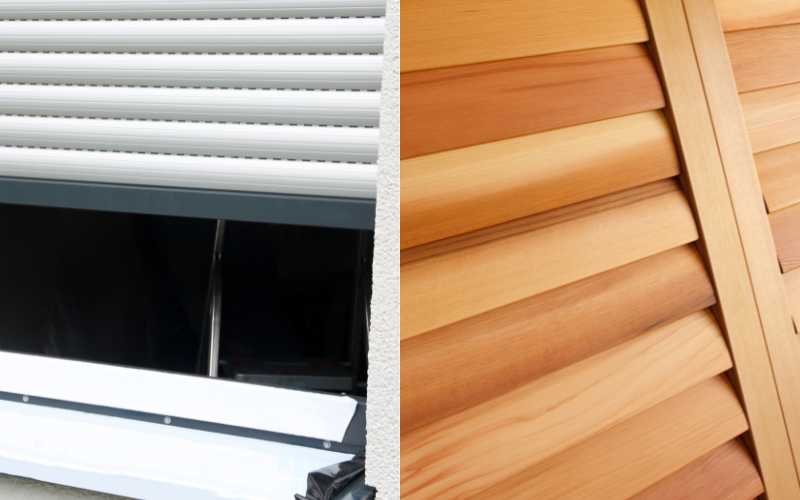
The same logic applies to roller shutters — whether it’s the shutter slats, guides, or motor, worn components compound small problems into big ones if left unaddressed.
At OZ Roller Shutters, we carry replacement components for most major blind systems and can advise on whether repair or replacement is the more cost-effective path for your specific setup.
When to Call a Professional
Not every fix is a DIY job. You should consider calling in a professional if:
- The roller tube or brackets are structurally damaged
- The blind has been rolling unevenly for an extended period and the fabric shows signs of stress or tearing
- You’ve tried adjusting tension and re-levelling but the problem keeps returning
- Your blind is under warranty and you don’t want to void it by attempting adjustments yourself
For anyone with verandah blinds in Melbourne, it’s also worth factoring in the local climate. Hot summers, cool winters, and the occasional storm put real mechanical demands on outdoor blinds. A professional service check every couple of years can catch small issues before they turn into bigger ones.
Preventing Uneven Rolling: Maintenance Tips
The best fix is prevention. A few simple habits will keep your verandah blinds rolling evenly for years:
- Clean the tracks every season. Dirt and debris are the most common cause of uneven friction.
- Don’t force a stuck blind. If it won’t move smoothly, stop and investigate before you apply more force.
- Retract blinds in extreme wind. Fabric that repeatedly billows and snaps in strong wind can distort over time.
- Inspect the fabric annually. Look for early signs of UV wear, edge fraying, or shrinkage.
- Lubricate guides once a year. Silicone spray is inexpensive and extends the life of your tracks significantly.
Get Your Verandah Blinds Running Smoothly Again
Uneven rolling is annoying — but it’s rarely a death sentence for your blind. Most causes are mechanical and most fixes are manageable, especially when you catch them early.
At OZ Roller Shutters, we specialise in verandah blinds and have helped Melbourne homeowners and businesses get the most out of their outdoor living spaces for years. Whether you need a professional service call, replacement components, or expert advice on whether your blinds are worth repairing or replacing, our team is here to help.
Contact OZ Roller Shutters today to book a service visit or get a free quote on new verandah blinds in Melbourne. We’ll make sure your outside area functions and looks just right.
Melbourne’s trusted specialists in verandah blinds, roller shutters, and outdoor living solutions.
Related: Modern Outdoor Blind Designs