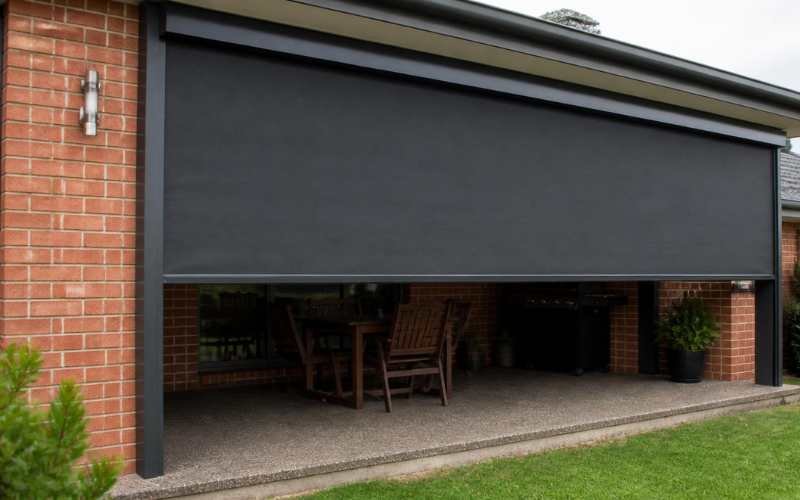


Cleaning & Maintenance Checklist
Spring is when Melbourne homeowners open up their verandah blinds again after months of closed-up winter weather, and that first pull of the cord often reveals months of built-up grime, mould spots, or a track that won’t slide the way it used to. This verandah blind maintenance checklist covers three core areas: cleaning the fabric properly for the material type, checking tracks and mechanisms for smooth operation, and treating mould before it spreads permanently into the fabric fibres. Melbourne’s damp winters create ideal mould conditions in shaded verandah areas, so spring is the single most important time of year to get ahead of it. This guide by OZ Roller Shutters walks through a full pre-entertaining-season checklist so verandah blinds are clean, functional, and guest-ready before the first spring gathering.
Key Takeaways
- Melbourne’s damp winter months create ideal conditions for mould growth on verandah blinds, making spring the most important maintenance window of the year.
- Verandah blind fabrics (PVC, mesh, or acrylic-coated) each require different cleaning approaches; using the wrong method can damage the material or void a warranty.
- Tracks and guides should be checked and lubricated separately from fabric cleaning, since a clean blind that doesn’t slide smoothly still isn’t entertaining-ready.
- Mould should be treated as soon as it’s spotted, since it spreads faster on damp, shaded verandahs than on open, sun-exposed outdoor areas.
- A full verandah blind maintenance checklist takes most homeowners under an hour per blind and should be done at least once before the entertaining season begins.
Why Does Spring Matter for Verandah Blind Maintenance?
Spring matters because verandah blinds spend winter closed up and exposed to Melbourne’s wettest months, and that moisture has nowhere to go until the weather warms. For verandah blinds Melbourne homeowners rely on to handle unpredictable weather year-round, the shift from closed winter tracks to open spring entertaining creates the biggest maintenance gap of the year. Shaded verandah areas trap humidity longer than open outdoor spaces, so mould spores that started forming in July often aren’t visible until blinds are rolled out again in September or October. Getting ahead of this in early spring prevents mould from setting into fabric fibres before the first warm-weather gathering.
How Often Should Verandah Blinds Be Cleaned Before Spring?
Verandah blinds should get one full clean and inspection in early spring, plus a lighter wipe-down every four to six weeks through entertaining season. This single spring clean is the most important one of the year because it catches whatever built up over winter before it compounds. Homes in shaded or coastal-adjacent suburbs may need this initial clean slightly earlier, since damp conditions and salt air both accelerate mould growth and material wear.

What Do You Need Before You Start Cleaning Verandah Blinds?
A basic verandah blind clean requires only a few items, most of which are already in most households:
- Soft-bristle brush or microfibre cloth
- Bucket with warm water and mild detergent
- Garden hose with adjustable nozzle
- White vinegar (for mould treatment)
- Silicone-based lubricant (for tracks and mechanisms)
- Soft cloth for drying
Having everything ready before starting keeps the process to under an hour per blind, since switching tasks partway through often means fabric dries unevenly or lubricant gets skipped.
How Do You Clean Verandah Blinds Step by Step?
Dusting and Loose Debris Removal
Start every clean with dry dusting, since wetting dirt first turns it into mud that’s harder to remove. Use a soft brush or microfibre cloth to work from the top of the blind downward, removing loose dust, pollen, and cobwebs. This step alone prevents a large share of the scrubbing needed later.
Spot Cleaning Marks and Stains
Mix a small amount of mild detergent with warm water and apply it to stains with a soft cloth, using gentle circular motions rather than hard scrubbing. Harsh chemicals or abrasive scrubbing pads can strip protective coatings from PVC and acrylic-coated fabric, so mild detergent is sufficient for almost all stains. Test any new cleaning product on a small hidden section first.
Deep Cleaning PVC, Mesh, and Acrylic Fabric
Different verandah blind fabrics respond differently to deep cleaning, and using the wrong method on the wrong material is one of the most common maintenance mistakes homeowners make.
| Fabric Type | Recommended Cleaning Method | Avoid |
|---|---|---|
| Clear PVC | Warm water, mild detergent, soft cloth, rinse thoroughly | Ammonia-based cleaners, abrasive sponges |
| Mesh | Hose down both sides, soft brush for embedded dirt | High-pressure water jets (can stretch weave) |
| Acrylic-coated | Mild soap solution, soft brush, air dry fully | Prolonged soaking, bleach |
Note: these are general care guidelines based on common fabric properties. Always check the specific care instructions for your installed product before cleaning, as coatings and warranties vary by manufacturer.

How Do You Remove Mould and Mildew from Outdoor Blinds?
Mould on verandah blinds is treated by wiping the affected area with a one-to-one mixture of white vinegar and water, left to sit for a few minutes before rinsing clean. Vinegar breaks down mould without damaging fabric coatings the way bleach can, making it the safer choice for both PVC and acrylic-coated materials. Blinds must be completely dry before rolling them back up, as any trapped moisture can restart the mould cycle within days. For mould that’s spread deep into fabric fibres or returns repeatedly after cleaning, professional treatment is worth considering before it causes permanent staining.

How Do You Check Verandah Blind Tracks and Mechanisms Are Working Properly?
A verandah blind that looks clean but doesn’t slide smoothly isn’t ready for entertaining season, so tracks and mechanisms need their own check separate from fabric cleaning. Run each blind up and down its full track to check for sticking points, unusual resistance, or grinding sounds. Apply a silicone-based lubricant to rollers, guides, and any moving hardware, since silicone doesn’t attract dust the way oil-based lubricants do. Homeowners who also maintain a roller shutter on their property will recognise this same principle. That is smooth mechanical operation matters as much as a clean surface, and neglecting one eventually affects the other.
When Should You Call a Professional Instead of DIY Maintenance?
A professional should be called when mould keeps returning after treatment, when tracks stay stiff despite lubrication, or when fabric shows tears, warping, or permanent staining. These signs usually point to a mechanical fault or material degradation that cleaning alone won’t fix. Catching these issues before the entertaining season means a straightforward repair now rather than a full replacement later.
Get Your Verandah Blinds Entertaining-Ready This Spring
A verandah blind that’s clean, mould-free, and sliding smoothly on its tracks is the difference between confidently hosting outdoors and apologising for a dingy or sticking blind halfway through spring. This checklist covers everything needed to get there: dusting before wetting, matching cleaning method to fabric type, treating mould with vinegar rather than harsh chemicals, and checking tracks separately from fabric. Following it once at the start of spring, then lightly maintaining it every four to six weeks, keeps verandah blinds ready for whatever the entertaining season brings.
Not every issue can be resolved with a weekend clean. If tracks stay stiff, mould keeps returning, or fabric shows signs of wear beyond a surface clean, OZ Roller Shutters can inspect the blinds and recommend repairs or replacement before they become a bigger problem.
Get Your Verandah Blinds Guest-Ready
Get in touch with OZ Roller Shutters today for a verandah blind inspection and have your outdoor entertaining space fully guest-ready before the season kicks off.