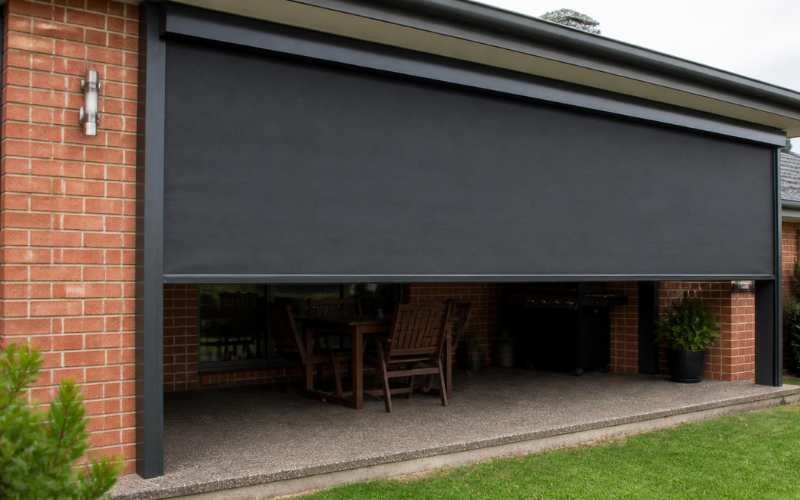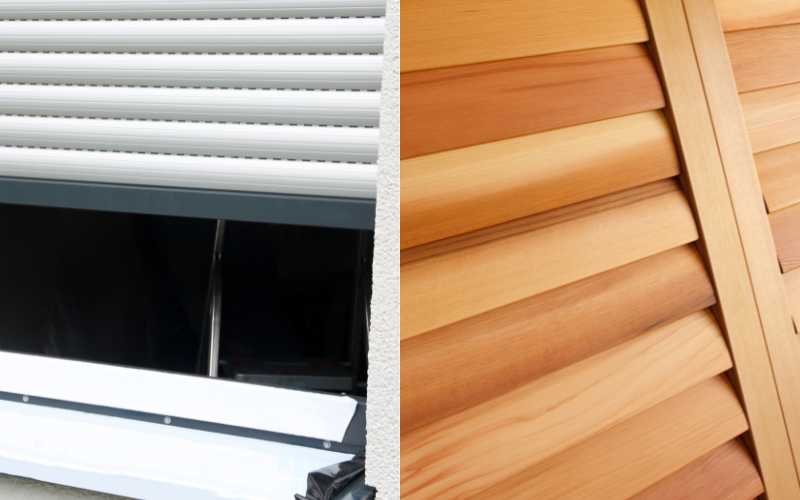


A balcony should not feel like a wind tunnel; it should feel like an extension of your living space.
Yet across Australia, especially in coastal and high-rise suburbs, wind speeds regularly exceed 40–60 km/h during seasonal gusts, and that’s enough to turn standard outdoor blinds into noisy, flapping panels that bang against posts and rails. We’ve seen it firsthand. Clients call us after a weekend of sleepless nights, convinced something is “wrong” with their blinds.
Most of the time, nothing is broken.
The real issue? The system was never designed for wind in the first place.
At Oz Roller Shutters, we’ve installed and upgraded thousands of outdoor blinds across Melbourne and surrounding regions. And in windy conditions, the difference between a standard drop blind and a track-guided outdoor blinds system is night and day.
Let’s break down exactly:
- Why your blinds are flapping
- Why some systems fail in windy conditions
- And how windproof outdoor blind systems like Ziptrak blinds wind-resistant and Zipscreen outdoor blinds solve the problem permanently
This is practical, field-tested advice.
Why Are Your Outdoor Blinds Flapping in the Wind?
If you’re wondering why outdoor blinds flap in the wind, the answer comes down to physics.
Wind creates pressure. Pressure looks for weak points. Standard straight-drop blinds have plenty.
Here are the three main reasons we see.

1. Your Blinds Aren’t Secured in Side Tracks
Most traditional blinds, especially the cheaper straight-drop ones, are only held in place at the top and sometimes at the bottom.
That means:
- The sides are free
- Wind slips behind the fabric
- Air pressure builds
- The blind balloons outward
- And then slaps back violently
This repeated motion causes:
- Fabric stretching
- Bottom bar damage
- Bracket loosening
- Annoying banging noises
- Premature wear and tear
If you’ve searched how to stop outdoor blinds from flapping, this is the root cause 90% of the time.
The Fix: Track Guided Systems
A track-guided outdoor blind system locks the fabric into vertical side channels.
The blind doesn’t hang loosely. It’s tensioned and retained.
That’s why systems like Ziptrak blinds, wind-resistant models, and Zipscreen outdoor blinds are widely recommended for outdoor blinds in windy conditions.
The fabric is secured from top to bottom with aluminium tracks. No side gaps. No ballooning. No slapping.
If you’re comparing track-guided blinds vs roller blinds, this is the defining structural difference.
2. The Fabric Isn’t Designed for Wind Pressure
Not all fabrics are equal.
Entry-level PVC or lightweight mesh may look similar on display. But once installed on a windy balcony, the performance gap becomes obvious.
When wind hits a blind, it creates:
- Forward push pressure
- Suction pull (reverse pressure)
- Lateral side stress
Without proper tensioning and retention, even strong fabric will move excessively.
What Wind-Resistant Blinds Actually Use
High-quality windproof outdoor blinds in Australia combine the following features:
- Heavy-duty mesh or reinforced PVC
- Edge spline or zip retention systems
- Tensioned bottom bars
- Precision side channels
This makes a full outdoor shading system for balconies, not just a piece of fabric hanging down.
Clients often ask us:
Do Ziptrak blinds stop wind from blowing through?
They seal the edges, which makes it much harder for wind to get through. But a blind system is not a solid wall. Wind can still get through breathable mesh, which is a good thing because it stops pressure from building up.
That’s why when people ask, how do outdoor blinds handle high wind conditions?, the real answer is: through controlled airflow and structural retention.
3. Your Balcony or Patio Is Exposed to Crosswinds
Architecture matters.
Balconies on corners, elevated decks, and coastal homes experience:
- Cross-directional gusts
- Wind tunnelling between buildings
- Updrafts from open railings
We regularly install outdoor patio blinds and windproof systems for properties where wind direction shifts constantly.
If your home faces open water, parklands, or high-rise corridors, standard blinds simply won’t hold.
This is especially true for:
- Apartments above Level 3
- Coastal homes
- Rooftop terraces
- Large patio openings
That’s when we suggest the best outdoor blinds for wind, which are specially made track-guided systems that are meant to be exposed.
What Is a Track Guided Outdoor Blind System?
Let’s provide a clear answer to this question, as many homeowners may not be aware of the differences upfront.
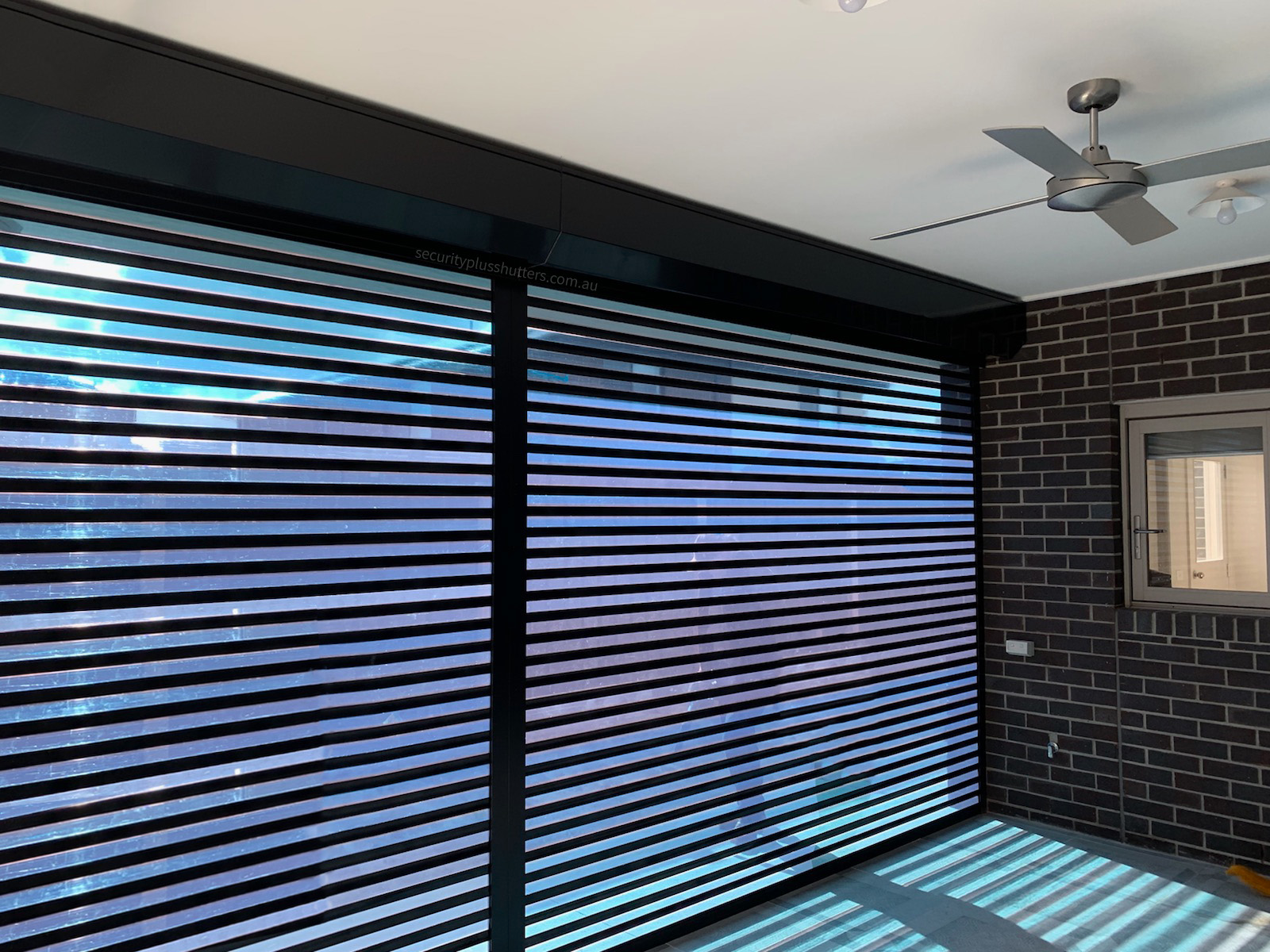
A track guided outdoor blind system is a blind where:
- The fabric edges are welded with a spline or zip
- That edge feeds into fixed aluminium side tracks
- The blind glides vertically within those tracks
- The fabric cannot pull free sideways
In other words, it’s mechanically retained.
This is why so many clients upgrading from straight-drop systems immediately notice the difference.
Benefits of Track Guided Blind Systems
- Eliminates side flapping
- Reduces noise dramatically
- Improves wind resistance
- Enhances privacy
- Creates a semi-sealed enclosure
- Extends blind lifespan
- Provides cleaner aesthetic lines
When homeowners ask us, are track guided blinds better in windy areas?
Yes. Unequivocally.
Ziptrak vs Zipscreen: What’s the Difference?
We often get the question: What’s the difference between Ziptrak and Zipscreen?
Both are high-quality windproof screened blinds using zip-retention technology. The difference usually lies in:
- Brand engineering features
- Locking mechanisms
- Installation detailing
- Control options (manual vs motorised)
From a wind perspective, both operate as windproof outdoor blind systems when installed correctly.
If you’re researching Ziptrak vs Zipscreen blinds for windy balconies, focus on:
- Track depth
- Fabric rating
- Span width
- Installation quality
Installation matters just as much as the product.
At Oz Roller Shutters, we don’t just supply systems. We measure wind exposure, balcony layout, and mounting strength before recommending a solution.
How Track Guided Outdoor Blinds Work in Real Wind Conditions
Let’s go practical.
When wind hits a straight-drop blind:
- Air pushes behind it
- Fabric bows outward
- Pressure forces edges sideways
- The blind snaps back
With track guided blinds for balcony installations:
- Wind hits fabric
- Air passes partially through mesh
- Edges remain locked in side tracks
- Pressure distributes evenly
- Movement is controlled
This is why they’re considered the best outdoor blinds for windy patios in Australia.
Unique Performance Statistics You Should Know
Based on Australian building exposure data and manufacturer testing:
- Coastal properties experience wind loads up to 30% higher than inland homes
- Standard straight-drop blinds can begin noticeable flapping at 20–25 km/h gusts
- Properly installed zip-retention systems can withstand winds exceeding 80–100 km/h (depending on span width and fixing method)
- Track systems reduce fabric deflection by up to 70% compared to unsecured drop blinds
These aren’t marketing numbers. They reflect engineering performance.
Signs You Need to Upgrade
If you’re dealing with:
- Constant banging noise
- Fabric stretching
- Bottom bar swinging
- Side gaps letting wind through
- Repeated bracket loosening
- Fear of storm damage
It’s time to stop patching and consider a permanent fix.
Especially if you live in:
- High-rise apartments
- Coastal zones
- Open suburban developments
- Homes with large patio spans
That’s when windproof blinds for homes near the coast become necessary, not just nice to have.
Actionable Steps to Stop the Flapping Today
If replacing immediately isn’t possible, here are interim solutions:
- Secure bottom bars during storms
- Retract blinds in extreme gusts
- Add temporary tie-downs
- Check bracket tightness
- Ensure fabric tension is correct
But understand, these are temporary.
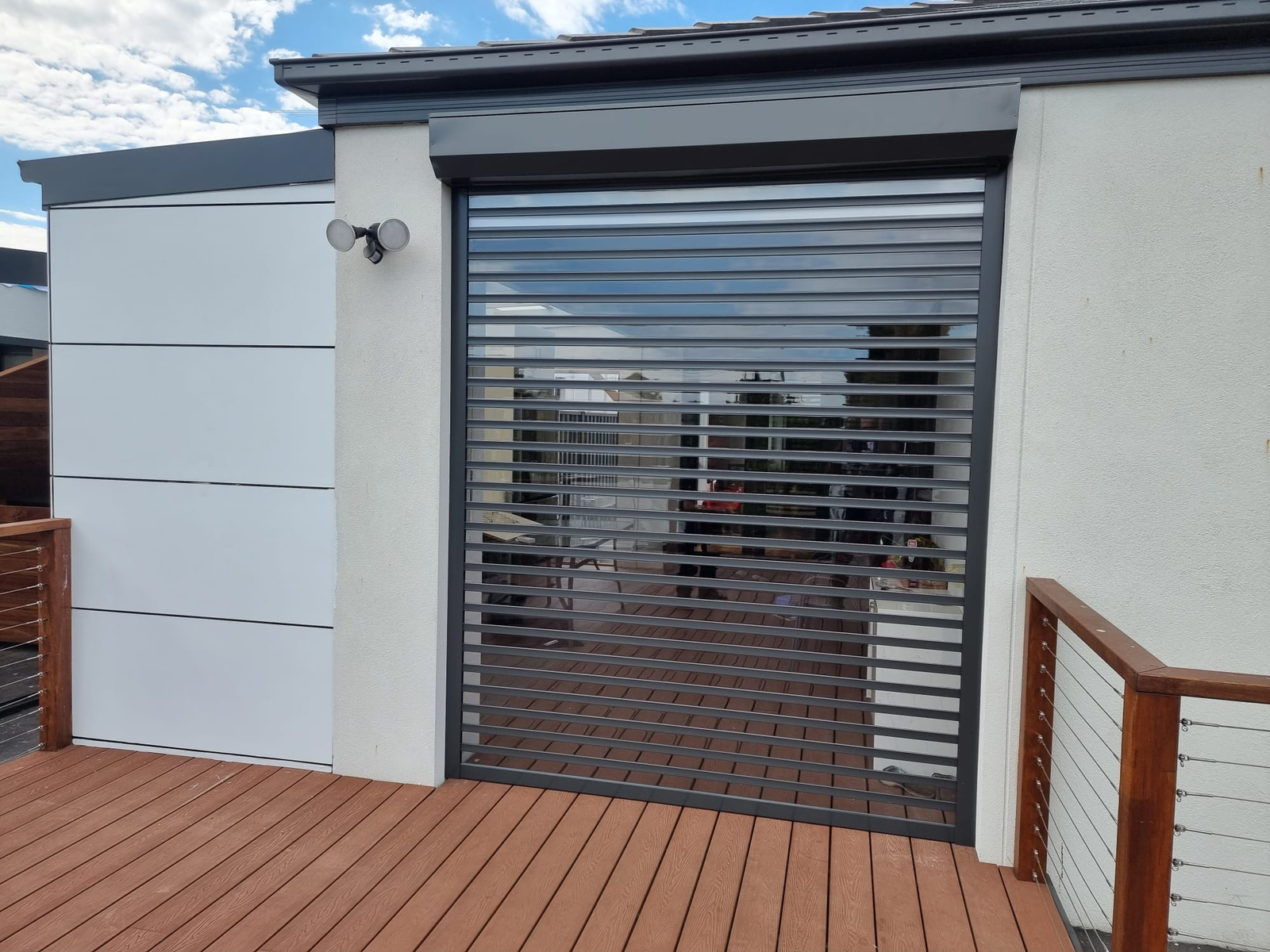
The long-term solution is upgrading to outdoor blinds for windy balconies that are engineered for exposure.
Are Track Guided Blinds Worth It?
Short answer? Yes.
Long answer? It depends on exposure.
If your balcony is sheltered, standard systems may suffice.
But if you’ve searched:
- How to install outdoor blinds that don’t flap in the wind?
- Can outdoor blinds withstand coastal wind in Australia?
- Best outdoor blinds for windy patios in Australia?
You already know wind is an issue.
Track systems aren’t just aesthetic upgrades. They’re structural improvements.
Where This Matters Most in Melbourne
We frequently install verandah blinds that Melbourne homeowners rely on in:
- Bayside suburbs
- Elevated developments
- Open suburban estates
And for homeowners upgrading older verandah blinds, switching to track-guided retention dramatically improves comfort and usability.
The same applies to patio and decking areas exposed to directional wind.
Why Professional Installation Matters
Even the best product fails if installed poorly.
Critical factors include:
- Correct track alignment
- Secure mounting into structural beams
- Proper span calculation
- Fabric selection based on exposure
- Allowance for building movement
When people ask, are track guided blinds worth it for windy balconies?
They are, if they are put in the right way.
This is where experience makes the difference.
Final Thoughts: Stop Fighting the Wind
Wind isn’t the enemy. Poor design is.
If your blinds are flapping, banging, or stretching, the issue isn’t bad luck. It’s usually an unsecured system facing exposure it wasn’t built to handle.
If you want to make your balcony usable and comfortable even when it’s windy, you can upgrade to windproof outdoor blinds Australia solutions like Ziptrak blinds wind resistant models or Zipscreen outdoor blinds.
At OZ Roller Shutters, we assess wind direction, balcony orientation, and structural fixing before recommending a system. That’s why our clients experience quieter evenings, longer product lifespan, and genuine wind control.
Talk to our team if you’re ready to stop the noise and spend money on a better solution. We’ll help you pick the right system and make sure it’s built, measured, and set up correctly.
Because a balcony should feel like a retreat.
Not a wind experiment.
And when it comes to high-performance outdoor protection, Oz Roller Shutters delivers solutions built for Australian conditions.
Also Read: Roller Doors vs. Roller Shutters